Wichita, KS · Garage Door Service
Colwich homes run older than the Wichita average, with doors and openers from the mid-1970s still in service. We drive out from Wichita for spring, opener, and track repair.
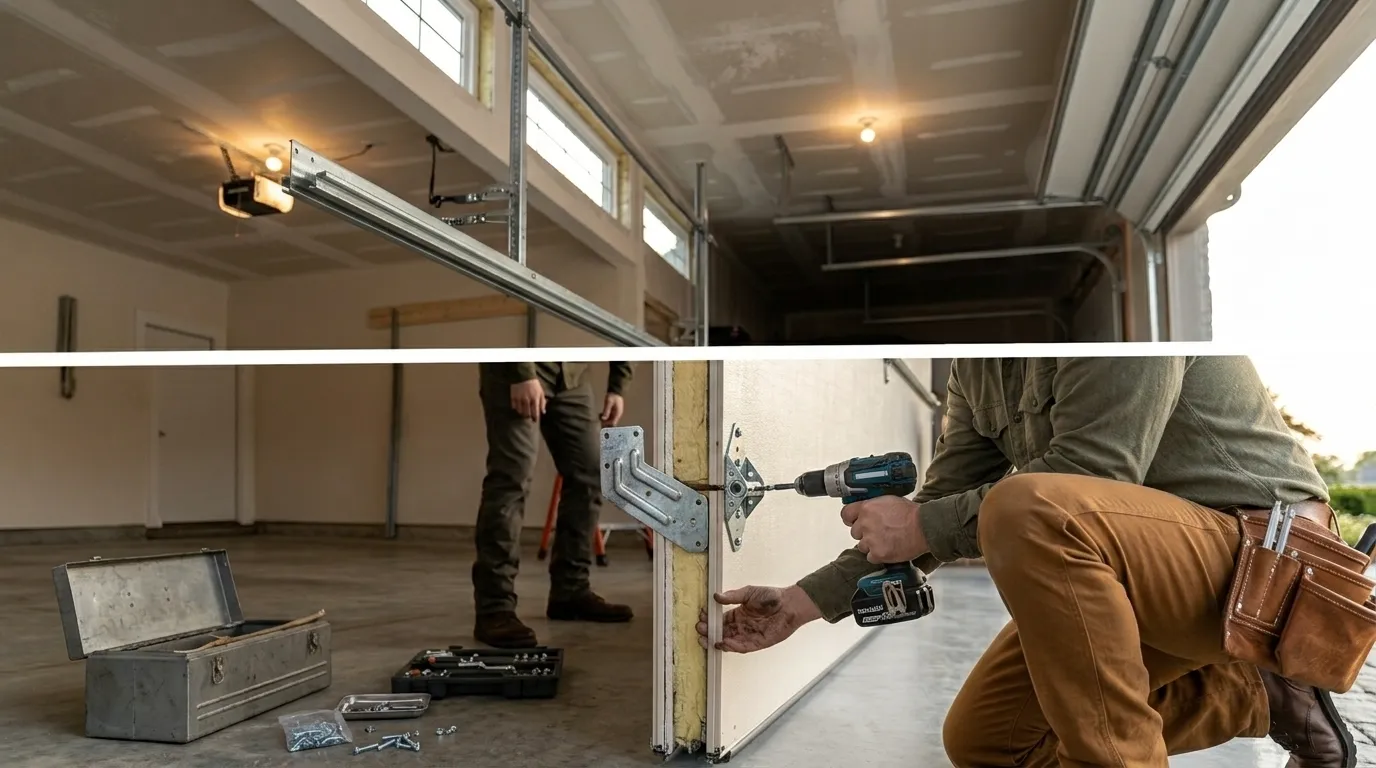
Colwich's median home dates to 1975, which puts a lot of original garage door hardware still on the wall out here - older than what we typically find across the rest of the Wichita service area, where the median build year runs closer to 1988. That gap matters. A door installed in the mid-70s was likely paired with an extension spring setup rather than the torsion systems that became standard in newer construction, and the openers from that era (if they haven't already been swapped once) use chain drives with worn sprockets and old safety reversal systems that don't meet current expectations. Most calls we take in Colwich involve one of three things: a snapped or stretched extension spring, a chain-drive opener that's finally given out after decades of use, or a track that's bent from age rather than impact. We also see a fair number of panel replacements on doors where the steel has thinned and dented over the years. None of this is exotic work, but it's different from the torsion-spring, belt-drive jobs that dominate calls in the newer subdivisions closer to Wichita. Knowing which era a door came from tells us what we're walking into before we even open the truck.
We don't stock every obsolete part for every extension-spring system still bolted up in a 1970s Colwich garage. If a door needs a specific pulley or drum that hasn't been made in years, we'll tell you straight whether it's worth hunting down or whether replacing the whole spring assembly with a modern equivalent makes more sense. We also don't do cosmetic-only fixes on doors that are structurally shot - if the panels are rusted through or the track is bent beyond safe adjustment, patching it is a short-term answer we won't pretend is a long-term one. And since we run out of Wichita, we're not a same-day walk-in shop with a counter in Colwich; every job here is a scheduled drive out, not a drop-in.
Colwich sits about 12 miles from Wichita, and its housing stock skews older than much of the wider service area. With a median build year of 1975 against roughly 572 households, this is a smaller, more established pocket compared to some of the newer growth areas closer in. Median household income here runs around $88,468, above the broader service-area figure of $82,000, which we mention only because it tends to track with owners who keep original doors longer and then replace the whole unit at once rather than nursing it repair by repair. The area sits within the same cold-moderate climate band as the rest of the region, so temperature swings stress springs and lubrication the same way they do anywhere else in this part of Kansas - it's the age of the equipment here, not the weather, that sets Colwich apart.
A door built to 1975 standards wasn't engineered with today's insulation requirements or opener safety features in mind, and that shows up in service calls. Extension springs on older Colwich doors tend to fail without much warning compared to torsion springs, which usually give some sign of fatigue first. If your opener still uses a chain and a keypad with worn-off numbers, it's probably original or close to it, and replacement parts for that generation of hardware are getting harder to source every year. We're not going to tell you every old door needs to go - plenty of them are solid and just need a fair repair. But when a repair estimate starts approaching half of what a new door and opener would run, replacement is usually the better use of your money, and we'll say so plainly rather than stack up patch jobs on a door that's earned its retirement.
No. We're based in Wichita and drive out to Colwich for scheduled jobs. We don't run a walk-in counter or keep a local depot here, so all service is by appointment rather than same-day drop-in.
Extension spring systems, common on homes built around 1975 like much of Colwich, tend to fail suddenly rather than gradually. Torsion springs usually show fatigue first. If your door is original, sudden failure is more the rule than the exception.
Depends on the estimate. If repair costs start closing in on half the price of a new door and opener, replacement is usually the smarter spend, especially once you're also replacing an aging chain-drive opener with outdated safety reversal.
Sometimes, but not always. Parts for that generation of chain-drive openers are getting harder to find each year. We'll tell you honestly if a part is worth chasing down or if a full opener swap makes more sense.
Call now or request a free quote - same-day service on most repairs, upfront written pricing.
