Wichita, KS · Garage Door Service
South Seneca sits 6 miles south of Wichita's center, in the 1980s-2000s housing band. Here's what that build era means for springs, openers, and tracks.
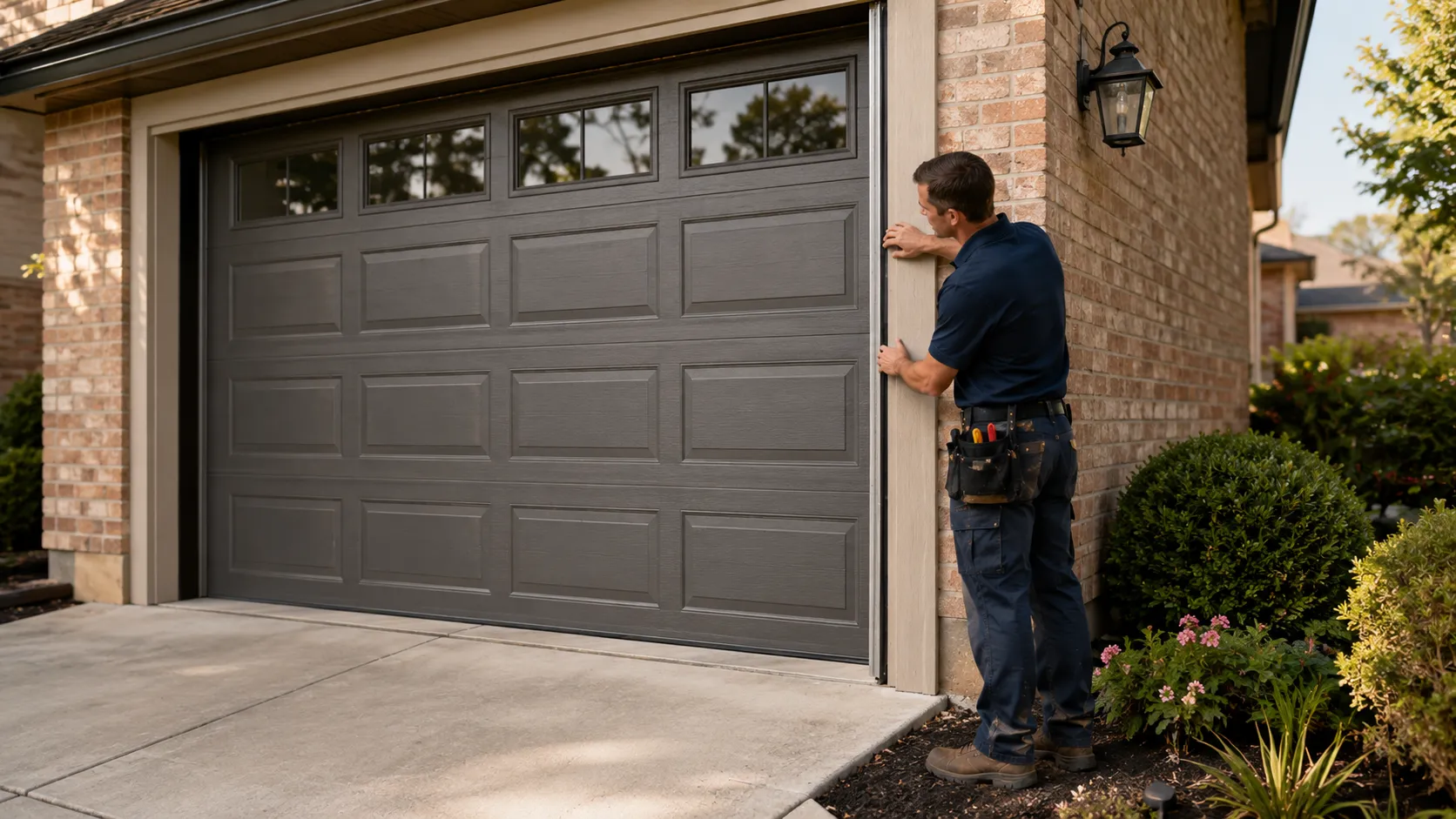
South Seneca sits about 6 miles south of downtown Wichita, inside the stretch of the city where most houses went up between 1975 and 2011, with the median build year around 1988. That puts a lot of homes here squarely in the 1980s and 90s wave of construction that shows up across Wichita's outer neighborhoods. Doors and openers from that era are old enough now that original torsion springs are past their rated cycle count, and a fair number of chain-drive openers from the 90s are still running on their first motor. We don't have a landmark list or a street-by-street breakdown for South Seneca to point to, so we're not going to pretend we do - what we can speak to is the housing stock itself, and what 30-plus years of Kansas winters does to steel springs and nylon rollers on a door that age. If your door is from that build window and it's started groaning, hesitating, or slamming the last foot of travel, that's consistent with what we see on doors of this vintage, not a sign something unusual is going on with your particular unit.
South Seneca is roughly 6 miles south of the center of Wichita. It sits among a ring of named areas at similar distances - South Area and Oakview are close by to the southeast, Southwest Wichita and South City sit a few miles to the north and northwest of it, and Haysville, one of the outlying cities in the wider Wichita service area, is about 9 miles out. We service the wider area, which spans roughly 23,179 owner-occupied houses among about 39,080 households total, but South Seneca itself is a smaller slice of that - a residential neighborhood, not a commercial corridor, which is part of why we're keeping this page to the housing and the door work rather than padding it with services that don't apply to a street of single-family driveways.
If your house in South Seneca falls in that 1975-2011 build range, a spring that's never been replaced is doing more work than it was designed for by now. The symptoms are usually simple: the door feels heavier by hand than it used to, the opener strains and reverses partway up, or you hear a loud bang from the garage and the door won't budge. All three point to spring failure, and on a door this age, that's often paired with rollers and cable that are due as well - fixing one without checking the others just means another call in a year. Wichita's winters run cold enough that steel fatigue and lubrication breakdown both accelerate, which is part of why doors from the 80s and 90s tend to fail in clusters during the colder months rather than evenly across the year. One honest note: we can't tell you over the phone whether a repair or a full replacement makes more sense for your specific door - that depends on the panel condition and hardware underneath, which we need to see in person before we quote anything.
Housing across this part of Wichita was mostly built between 1975 and 2011, with 1988 as the median year, so a lot of original garage doors and openers here are 25 to 45 years old. If yours hasn't been touched since the house was built, the spring and rollers are well past due for a look.
Yes. South Seneca sits about 6 miles south of downtown Wichita, within the broader area we cover across the city's owner-occupied housing stock.
Cold weather stiffens lubricant and adds strain to a spring that's already fatigued, which is common on doors from the 1980s-90s wave of construction still running original hardware. It's usually a spring or roller issue, not the opener itself.
Call now or request a free quote - same-day service on most repairs, upfront written pricing.
